

 英语
英语 俄语
俄语
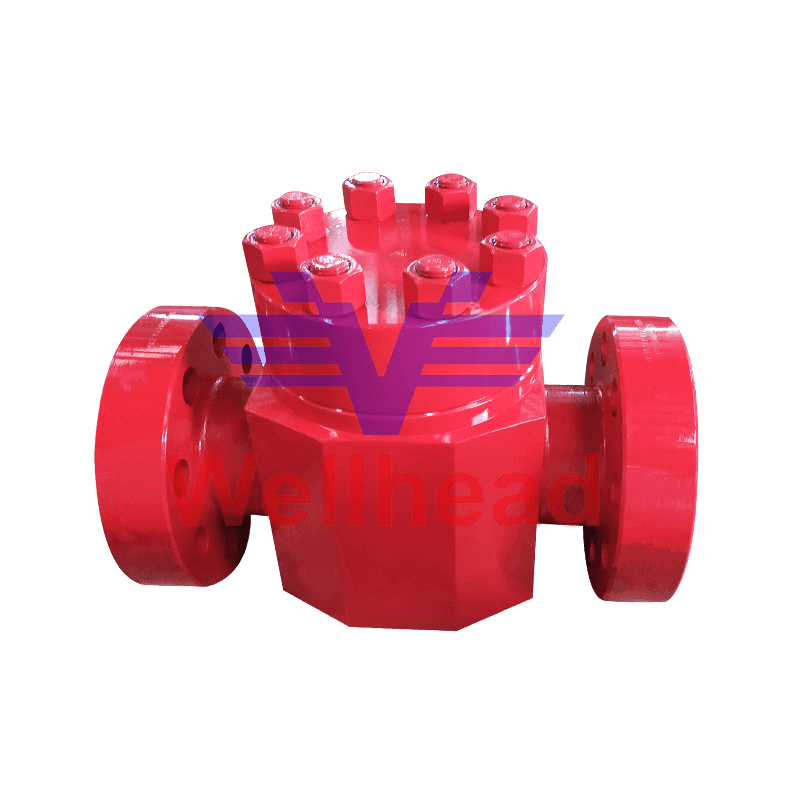
Пробковые клапаны высокого давления представляют собой специализированные клапаны, предназначенные для работы с жидкостями и газами под высоким давлением в промышленности. В отличие от традиционных клапанов, в плунжерных клапанах используется цилиндрическая или коническая заглушка для управления потоком жидкости, что позволяет быстро перекрывать и точно регулировать поток. Их прочная конструкция и надежное уплотнение делают их пригодными для суровых условий, где безопасность и эффективность имеют решающее значение.
Контент
- Основные характеристики пробковых клапанов высокого давления
- Сравнение пробковых клапанов высокого давления с шаровыми кранами
- Сравнение пробковых клапанов высокого давления с задвижками
- Применение пробковых клапанов высокого давления
- Преимущества перед шаровыми и задвижками
- Часто задаваемые вопросы (FAQ)
- 1. Чем плунжерный клапан высокого давления отличается от стандартного плунжерного клапана?
- 2. Могут ли пробковые клапаны высокого давления работать с агрессивными жидкостями?
- 3. Подходят ли пробковые клапаны высокого давления для аварийного отключения?
- 4. Чем монтаж отличается от шаровых или задвижек?
- 5. Требуют ли пробковые клапаны высокого давления частого обслуживания?
- Заключение
Основные характеристики пробковых клапанов высокого давления
- Компактный дизайн: Пробковые клапаны высокого давления относительно компактны, что сокращает пространство для установки и делает их идеальными для систем с ограниченным пространством.
- Полнопроходной поток: Многие пробковые клапаны имеют полнопроходное отверстие, сводя к минимуму падение давления и обеспечивая плавный поток жидкостей.
- Устойчивость к высокому давлению: Специально разработан для того, чтобы выдерживать условия высокого давления, часто превышающие те, которые выдерживают шаровые или задвижки.
- Быстрая операция: Четвертьоборотный ход позволяет быстро открывать и закрывать, что важно в экстренных ситуациях.
- Низкие эксплуатационные расходы: Простая внутренняя структура снижает износ, продлевает срок службы и минимизирует затраты на техническое обслуживание.
Сравнение пробковых клапанов высокого давления с шаровыми кранами
Проектирование и эксплуатация
Шаровые краны используйте сферический диск с отверстием для контроля потока, в то время как Пробковые клапаны высокого давления используйте цилиндрическую или коническую заглушку. Оба допускают работу на четверть оборота, но пробковые клапаны, как правило, более компактны и способны работать в более высоких диапазонах давления и температуры.
Устойчивость к давлению и температуре
- Шаровые краны are suitable for moderate to high-pressure applications, but extreme pressures can cause leakage or deformation over time.
- Пробковые клапаны высокого давления are specifically designed for high-pressure environments, often exceeding 1000 psi, and can maintain integrity under severe temperature fluctuations.
Характеристики потока
Оба типа клапанов обеспечивают полнопроходной поток. Однако плунжерные клапаны превосходно подходят для работы с вязкими жидкостями, поскольку их прямоточная конструкция снижает турбулентность и потери давления. Шаровые краны могут подвергаться большему износу при работе с абразивными жидкостями.
Обслуживание и долговечность
Шаровые краны требуют периодического обслуживания уплотнений и седел, особенно в условиях высокого давления или абразивных условий. Пробковые клапаны высокого давления с меньшим количеством движущихся частей и более простыми механизмами уплотнения, как правило, требуют меньшего технического обслуживания и имеют более длительный срок службы в условиях высокого давления.
Сравнение пробковых клапанов высокого давления с задвижками
Различия в дизайне
Задвижки используют линейное движение плоской или клиновидной задвижки для управления потоком. В отличие от четвертьоборотного Пробковый клапан высокого давления , задвижки требуют нескольких поворотов, чтобы открыть или закрыть. Это ускоряет работу пробковых клапанов, что является преимуществом в ситуациях аварийного отключения.
Давление и уплотнение
- Задвижки обеспечивают хорошую герметизацию в системах с низким и средним давлением, но могут плохо работать в условиях нестабильного высокого давления.
- Пробковые клапаны высокого давления maintain reliable sealing even under extreme pressures and temperatures, reducing the risk of leaks.
Эффективность потока и пространства
Задвижки могут создавать препятствия потоку в частично открытом положении, тогда как пробковые клапаны обеспечивают плавный поток в любом положении. Кроме того, пробковые клапаны более компактны, что делает их идеальными для установок, где пространство ограничено.
Рекомендации по техническому обслуживанию
Задвижки имеют больше движущихся частей и склонны к износу штока и коррозии, что требует более частого обслуживания. Пробковые клапаны высокого давления благодаря своей простой внутренней конструкции обеспечивают более длительный срок эксплуатации и менее частое техническое обслуживание.
Применение пробковых клапанов высокого давления
Пробковые клапаны высокого давления широко используются в:
- Нефте- и газопроводы
- Химические и нефтехимические заводы
- Системы производства электроэнергии
- Водоочистные сооружения, работающие с жидкостями под высоким давлением
- Морские и морские платформы
Преимущества перед шаровыми и задвижками
- Допуск высокого давления: Идеально подходит для экстремальных давлений и температурных условий.
- Более быстрая работа: Четвертьоборотная конструкция обеспечивает быстрое отключение.
- Компактный дизайн: Легкая установка в ограниченном пространстве.
- Низкие эксплуатационные расходы: Упрощенная внутренняя структура снижает износ.
- Универсальность: Подходит для различных жидкостей, включая вязкие, абразивные и агрессивные среды.
Часто задаваемые вопросы (FAQ)
1. Чем плунжерный клапан высокого давления отличается от стандартного плунжерного клапана?
Пробковые клапаны высокого давления усилены для работы при экстремальных давлениях и часто включают в себя специальные уплотнения и материалы, предотвращающие утечки и выдерживающие суровые температуры, в отличие от стандартных пробковых клапанов, рассчитанных на умеренное давление.
2. Могут ли пробковые клапаны высокого давления работать с агрессивными жидкостями?
Да, многие пробковые клапаны высокого давления изготовлены из нержавеющей стали или других коррозионностойких сплавов, что делает их пригодными для агрессивных химических применений.
3. Подходят ли пробковые клапаны высокого давления для аварийного отключения?
Абсолютно. Четвертьоборотный ход обеспечивает быстрое закрытие, что важно для аварийного реагирования в системах высокого давления.
4. Чем монтаж отличается от шаровых или задвижек?
Установка, как правило, проста и аналогична установке других клапанов с фланцевыми, резьбовыми или приварными концами. Их компактный размер позволяет уменьшить занимаемое пространство по сравнению с задвижками.
5. Требуют ли пробковые клапаны высокого давления частого обслуживания?
Техническое обслуживание минимально благодаря простой внутренней конструкции и меньшему количеству движущихся частей, хотя в экстремальных условиях может быть рекомендована периодическая проверка уплотнений и смазки.
Заключение
При сравнении Пробковый клапан высокого давления Шаровые краны и задвижки имеют ряд преимуществ. Пробковые клапаны обеспечивают превосходную производительность в средах с высоким давлением, более быструю работу, компактную конструкцию и меньшие потребности в техническом обслуживании. В то время как шаровые и шиберные клапаны находят свое применение в условиях умеренного давления, плунжерные клапаны высокого давления идеально подходят для отраслей, требующих надежности, долговечности и эффективности в экстремальных условиях. Их способность работать с вязкими, абразивными или агрессивными жидкостями делает их важнейшим компонентом современных промышленных систем.
 +86-0515-88429333
 СВЯЖИТЕСЬ С НАМИ
