

 英语
英语 俄语
俄语
В 2 часа ночи на наземной буровой установке в Западном Техасе буровой каротаж видит, как возвратный поток поднимается на два барреля выше скорости закачки. Газоочистный раствор достигает вибросита, и скважина бьется. Между этим притоком и неконтролируемым выбросом находится одна линия защиты: противовыбросовый превентор (ПВП), набор клапанов с гидравлическим приводом, прикрепленных болтами к устью скважины.
Краткий ответ на то, как работает противовыбросовый превентор, заключается в том, что он закрывает прочные уплотнительные элементы вокруг бурильной трубы или над открытым стволом скважины с помощью гидравлического давления. После закрытия противовыбросовый превентор герметизирует кольцевое пространство, отводит выброс через штуцерный коллектор и дает экипажу время на циркуляцию притока с более тяжелым буровым раствором.
Контент
- Что такое противовыбросовый превентор?
- Из чего состоит стек BOP
- Как работает кольцевой противовыбросовый превентор
- Как работает противовыбросовый превентор
- Системы управления и роль дроссельного коллектора
- Тестирование: почему BOP не является методом «установил и забыл»
- На что обратить внимание при выборе поставщика ПБ?
- Часто задаваемые вопросы
Что такое противовыбросовый превентор?
Противовыбросовый превентор — это специализированный узел клапана высокого давления, установленный на устье скважины для герметизации, контроля и мониторинга нефтяной или газовой скважины во время операций бурения, заканчивания и капитального ремонта. API 16A определяет требования к конструкции, материалам и испытаниям кольцевых и плашекых превенторов, используемых в надводной и подводной эксплуатации.
Система BOP выполняет четыре отдельные задачи:
- Герметизирует затрубное пространство вокруг бурильной трубы или обсадной трубы, чтобы предотвратить попадание пластовых флюидов на поверхность.
- Полностью герметизирует скважину, когда бурильная колонна выходит из скважины.
- Разрезает бурильную трубу и герметизирует скважину в случае чрезвычайной ситуации.
- Направляет скважинные жидкости через штуцеры и линии глушения, чтобы бригада могла контролировать выброс.
Поскольку ни одно устройство не выполняет все эти функции надежно, BOP фактически представляет собой систему из нескольких типов компонентов, организованных в виде стека.
Из чего состоит стек BOP
Стопка противовыбросовых превенторов представляет собой вертикальную сборку превенторов, катушек и выпускных отверстий, расположенную на вершине устья скважины. В поверхностном штабеле каждый компонент занимает определенное положение, работая от головки обсадной колонны вверх.
Расположение типичного поверхностного противовыбросового превентора снизу вверх следует следующей последовательности:
- Соединитель головки обсадной колонны фиксирует штабель на устье скважины.
- Двойной плашек для превентора, обычно один трубный плашек внизу и один глухой срезной плашек сверху.
- Буровая катушка с боковыми выходами для подключения дроссельной и глушильной лески.
- Кольцевой противовыбросовый превентор, который герметизирует трубы любого размера, бурильные замки или открытые отверстия.
- Переходник стояка или раструбный ниппель, который направляет бурильную колонну в штабель.
Подводные штабели повторяют эту логику вблизи морского дна и добавляют нижний морской стояк, чтобы буровая установка могла отключиться во время чрезвычайной ситуации. Хотя расположение штабеля варьируется в зависимости от типа скважины и номинального давления, принцип одинаков: каждый компонент поддерживает другие.
| Особенность | Кольцевой превентор | Рам ПБП |
|---|---|---|
| Уплотнительный элемент | Эластомерная упаковочная единица | Стальные плашки с эластомерными торцевыми уплотнениями |
| Что он герметизирует | Бурильная труба, замки, обсадная колонна, открытый ствол | Особый размер трубы или полное закрытие глухими или срезными плашками |
| Типичное рабочее давление | от 3000 до 5000 фунтов на квадратный дюйм | от 3000 до 15 000 фунтов на квадратный дюйм |
| Обычное время закрытия | 30 секунд или меньше | от 15 до 30 секунд |
| Основная роль | Первое реагирование, зачистка, запечатывание нестандартных форм | Принудительное отключение, разрезание трубы, долговременная изоляция |
Как работает кольцевой противовыбросовый превентор
Кольцевой противовыбросовый превентор закрывается за счет проталкивания резинового уплотнительного элемента в форме пончика внутрь бурильной трубы. Гидравлическое давление закрытия поступает в камеру закрытия и перемещает поршень вверх; затем профиль поршня сжимает уплотнительный элемент, так что его внутренний диаметр сжимается и образует уплотнение вокруг всего, что находится в отверстии. При приложении давления открытия поршень втягивается, и элемент возвращается к своему полному проходу.
Поскольку уплотнительный элемент выполнен из резины, кольцевой превентор может герметизировать бурильную трубу, бурильные замки, утяжеленные бурильные трубы, обсадную колонну и даже открытую скважину. Это делает его первой линией защиты при спуске трубы, а также позволяет бригаде зачищать трубы под давлением. Компромиссом является более низкое номинальное давление, чем у плашековых превенторов, обычно от 3000 до 5000 фунтов на квадратный дюйм для наземных применений, поэтому плашковые противовыбросовые превенторы располагаются ниже него в дымовой трубе, обеспечивая более высокое давление закрытия.
Наш API 16А кольцевые противовыбросовые превенторы имеют заменяемые на месте уплотнения, сбалансированные гидравлические рабочие камеры и ряд размеров отверстий, подходящих для обычных обсадных труб и программ бурения.
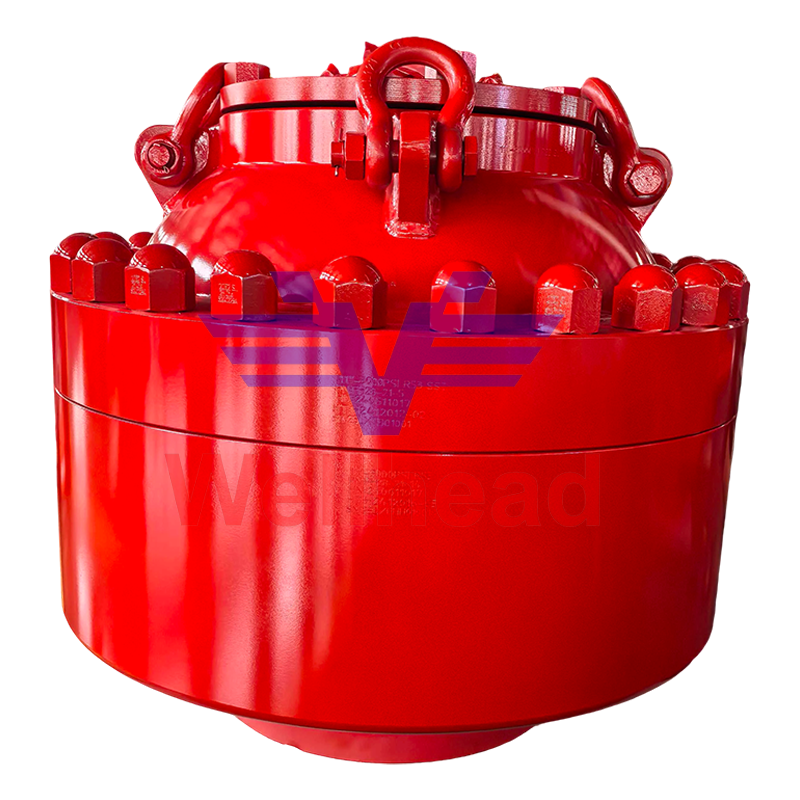 Кольцевой превентор Suppliers, Custom Annular BOP Company - Jiangsu Wellhead Drilling Eq Компания Jiangsu Wellhead Drilling Equipment Co., LTD является китайским поставщиком кольцевых превенторов и компанией Annular BOP. Мы специализируемся на производстве... Просмотреть продукт →
 Как работает противовыбросовый превентор
Плашечный превентор закрывается путем перемещения двух стальных блоков плашек горизонтально по направлению к центру ствола скважины до тех пор, пока их уплотнения не соприкоснутся вокруг трубы или друг с другом для полного закрытия. Каждый блок цилиндров приводится в движение гидравлическим поршнем; Давление закрытия толкает плунжеры внутрь, а давление открытия втягивает их. Когда блоки встречаются, переднее уплотнение прижимается к поверхности трубы, а верхнее уплотнение прижимается к крышке, обеспечивая герметичность.
Тип плунжера определяет функцию управления скважиной:
- Трубные плашки герметизируют бурильную трубу определенного размера, оставляя трубу неповрежденной.
- Глухие плашки герметизируют открытую скважину, когда бурильная колонна выходит из скважины.
- Гидроцилиндры с глухим сдвигом прорезают бурильную трубу и затем герметизируют скважину; это крайняя мера аварийного закрытия.
- Трубные плашки переменного диаметра подходят для труб различных размеров без замены блоков плашек.
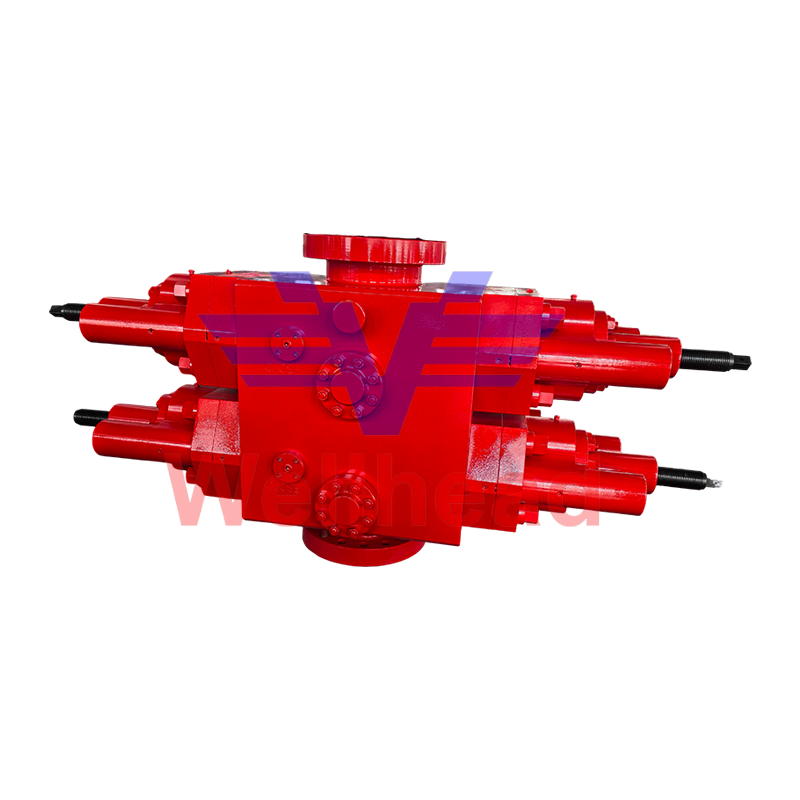
Производители изготавливают плашечные противовыбросовые превенторы в одинарной, двойной или тройной конфигурации, чтобы в одном штабеле можно было разместить комбинацию труб, глухих и режущих устройств на разной высоте. Наш одноплашковые противовыбросовые превенторы и двухплунжерные противовыбросовые превенторы соответствуют API 16A с корпусами из кованой стали, сменными уплотнительными пакетами и номинальным давлением от 3000 до 15 000 фунтов на квадратный дюйм.
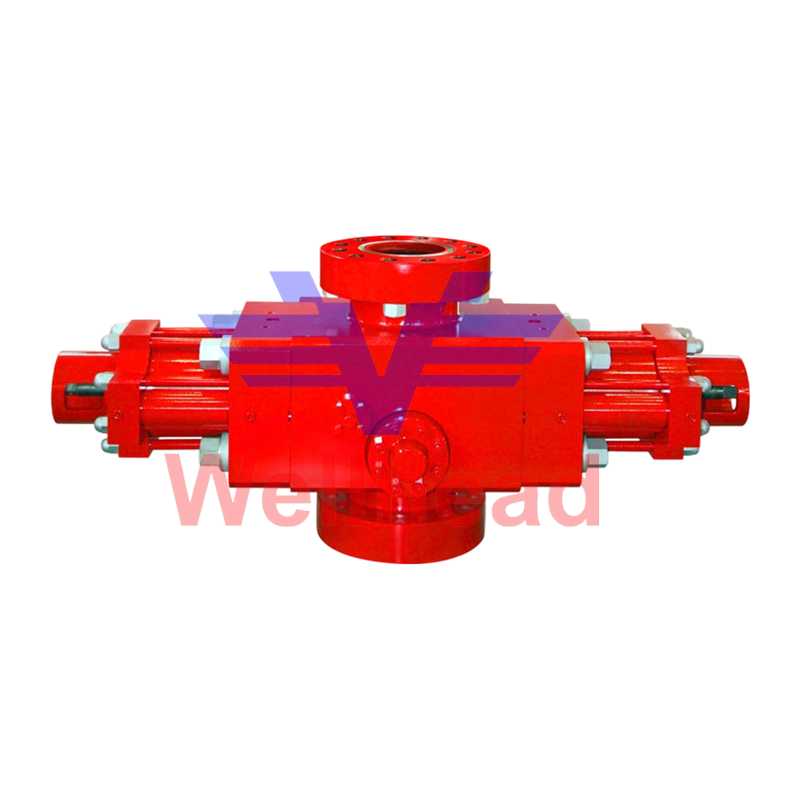 Поставщики превенторов с одинарной плашкой, компания по изготовлению превенторов с одинарной плашкой - Jiangsu Wellhead Drill Компания Jiangsu Wellhead Drilling Equipment Co., LTD является китайским поставщиком противовыбросовых превенторов с одинарной плашкой и компанией Single Ram BOP. Мы специализируемся на производстве... Просмотреть продукт →
 Системы управления и роль дроссельного коллектора
Превентор закрывается только тогда, когда гидравлическая жидкость из аккумуляторного блока поступает в закрывающуюся камеру выбранного компонента. Бурильщик запускает это действие с панели дистанционного управления, обычно расположенной на полу буровой установки, которая посылает пилотные сигналы в цепи клапанов на блоке противовыбросовых превенторов.
Аккумулятор хранит энергию в баллонах с азотом и поддерживает давление подачи гидравлики около 3000 фунтов на квадратный дюйм на наземных буровых установках. API 16D определяет испытания на время закрытия и гидравлическую мощность. Как правило, кольцевые превенторы закрываются за 30 секунд или меньше, а плашки – за 15–30 секунд, в зависимости от размера отверстия, рабочего давления и конфигурации трубы. Подводные противовыбросовые превенторы используют тот же принцип, но сигнал управления проходит через электрогидравлические мультиплексные модули, и ROV может выполнять определенные функции в качестве окончательного резервного копирования.
Когда противовыбросовый превентор закрыт, поток скважины перенаправляется через штуцерный манифольд, который соединяется с трубой под превенторами. Коллектор снижает давление с помощью регулируемых дросселей, поэтому экипаж может перекачивать тяжелый буровой раствор и стравливать давление на выходе, не превышая безопасных пределов. Вот почему весь пакет, включая блок ПВО, аккумулятор и дроссельный коллектор , должны быть указаны и протестированы вместе.
Тестирование: почему BOP не является методом «установил и забыл»
Превентор надежен только в том случае, если он проходит функциональные испытания и испытания под давлением по фиксированному графику, а испытательный стенд противовыбросового превентора делает это возможным, не подвергая скважину риску. Испытательная пробка — это приспособление, которое удерживает противовыбросовый превентор, соединяет его с испытательным насосом и регистратором давления и позволяет закрывать каждый компонент и создавать давление, в то время как бригада контролирует наличие утечек.
Типичная практика тестирования включает в себя:
- Функциональная проверка каждые 7 дней или при каждом интервале обсадной колонны в соответствии с программой бурения.
- Испытание давлением до номинального рабочего давления при первоначальной установке.
- Испытание низким давлением от 200 до 300 фунтов на квадратный дюйм для проверки правильности посадки уплотнений.
- Испытание высоким давлением при номинальном давлении трубы, часто от 10 000 до 15 000 фунтов на квадратный дюйм.
Испытание также проверяет аккумулятор, цепи управления и дроссельный коллектор, поскольку ПВП, который невозможно закрыть, ничем не отличается от отсутствия ПВП вообще. Наш Испытательные пни противовыбросового превентора разработаны в соответствии с шаблонами фланцев API 16A и поддерживают испытания как кольцевого, так и плашечного типа в вертикальной или горизонтальной ориентации. В соответствующей статье объясняется, почему испытательный пень противовыбросового превентора стал незаменимым инструментом для буровых бригад.
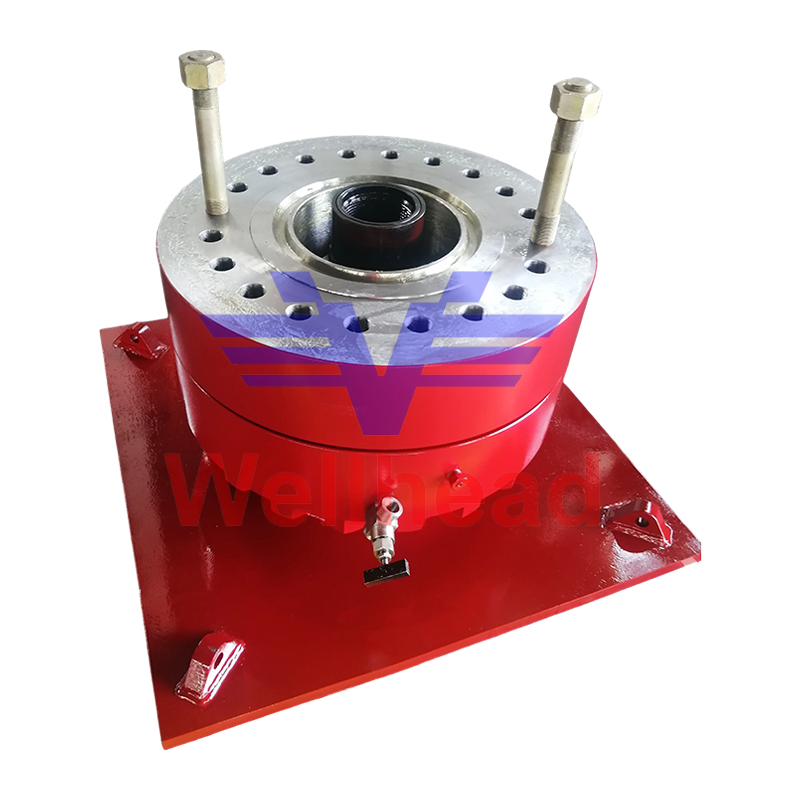 Поставщики испытательных пеньков противовыбросового превентора, Компания по изготовлению испытательных пеньков противовыбросового превентора на заказ - Jiangsu Wellhead Drill Компания Jiangsu Wellhead Drilling Equipment Co., LTD является китайским поставщиком испытательных пней противовыбросового превентора и компанией по производству испытательных пеньков превентора. Мы специализируемся на производстве ... Просмотреть продукт →
 На что обратить внимание при выборе поставщика ПБ?
Выбор противовыбросового превентора начинается с программы скважины, а не с прайс-листа. Сопоставьте номинальное рабочее давление и размер отверстия с максимальным ожидаемым давлением на поверхность, а затем убедитесь, что производитель имеет соответствующие лицензии API.
Ключевые проверки закупок включают в себя:
- Монограмма API 16A на кольцевых и плашековых превенторах.
- Система управления качеством API Q1 и документированные протоколы испытаний.
- Материалы трима, подходящие для работы с H2S или CO2, например, тримы HH, EE или FF.
- Температурный диапазон, соответствующий условиям бурения.
- Наличие запасных комплектов уплотнений и послепродажное обслуживание.
Сертифицированный производитель, имеющий собственное испытательное оборудование, снижает риск закупок, поскольку один и тот же завод может поставить дроссельный манифольд, испытательный патрубок и сменные уплотнения как один интегрированный пакет.
Часто задаваемые вопросы
Как быстро закрывается противовыбросовый превентор?
Требования API обычно требуют, чтобы кольцевые противовыбросовые превенторы закрывались за 30 секунд или меньше, а поршневые противовыбросовые превенторы - за 15–30 секунд, в зависимости от размера и номинального давления. Время закрытия зависит от емкости аккумулятора и системы гидравлического управления в такой же степени, как и от самого ПВП, поэтому оба параметра необходимо проверять вместе.
В чем разница между трубными плашками и глухими срезными плашками?
Трубные плашки герметизируют бурильную трубу определенного размера и оставляют трубу неповрежденной, поэтому при необходимости циркуляция может продолжаться. Глухие срезные плашки проталкивают бурильную трубу, разрезают ее, а затем герметизируют образовавшееся отверстие. Большинство труб включают в себя и то, и другое, поскольку трубные плашки защищают скважину во время нормальной эксплуатации, а глухие срезные плашки служат последним аварийным барьером.
Может ли противовыбросовый превентор герметизировать открытое отверстие?
Да. Кольцевой превентор может полностью закрыться над открытым стволом скважины, а глухие плашки или глухие срезные плашки обеспечивают такое же полное закрытие, когда бурильная колонна выходит из скважины. Экипаж выбирает подходящее закрывающее устройство в зависимости от ситуации и положения бурильной колонны.
 +86-0515-88429333
 СВЯЖИТЕСЬ С НАМИ
